1. Physical Geography: Unique Climate and Landscapes.
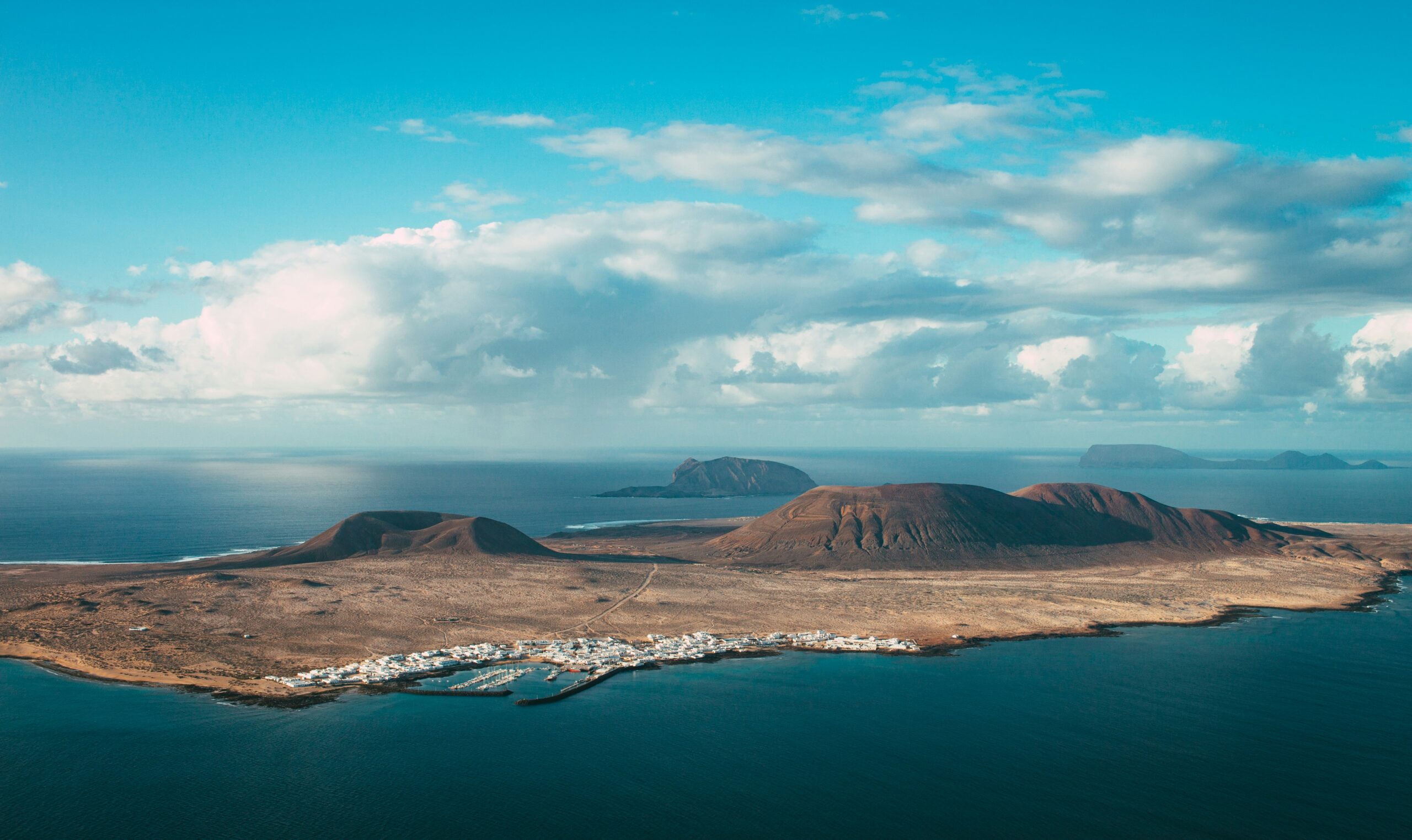
The Canary Islands archipelago is located in the Atlantic Ocean, off the northwest coast of Africa. Although politically part of Spain (and the European Union), it lies approximately 100 kilometers south of Morocco. Its strategic position between three continents—Africa, Europe, and the Americas—has shaped its history, climate, and biodiversity.
The Canaries are part of a geographical and bioclimatic region known as Macaronesia, a term that encompasses several volcanic archipelagos in the North Atlantic: the Azores, Madeira, the Savage Islands, Cape Verde, and the Canary Islands themselves. These territories share a volcanic origin, a mild climate influenced by the trade winds, and unique flora with numerous species found nowhere else.
These characteristics make them an attractive and singular destination, one that, since ancient times, captivated the Greeks, who called them the Fortunate Isles, imagining them as a warm and fertile paradise at the edge of the known world. Later, the Romans recounted the presence of enormous dogs (canes) that eventually gave the archipelago its name.
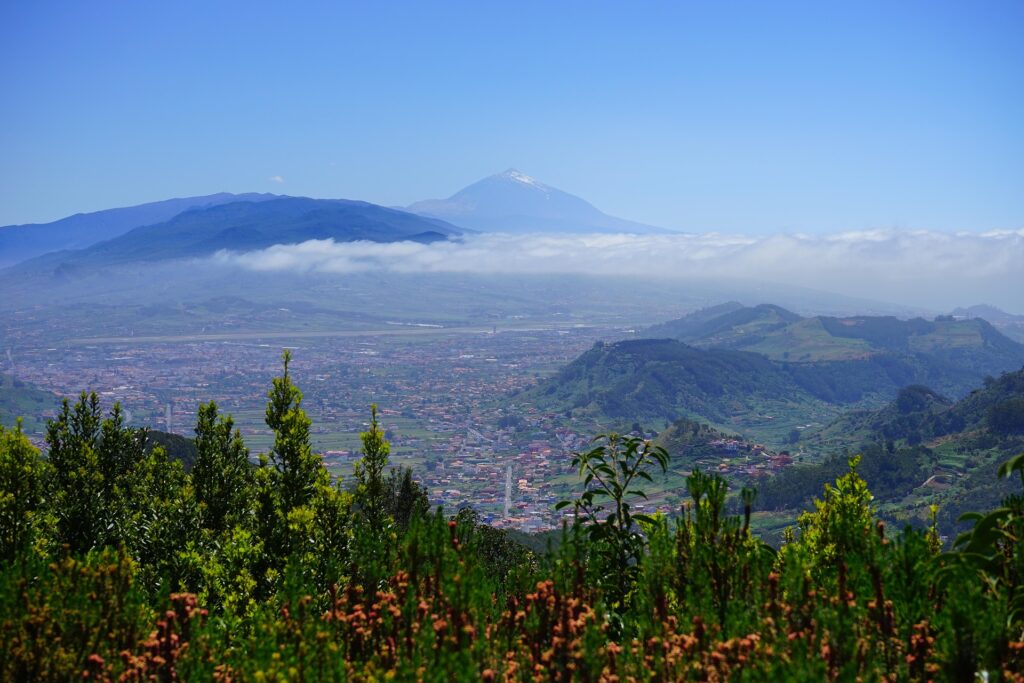
Geographically, the archipelago is not a uniform landmass, but rather a puzzle of eight islands, each with its own distinct identity. The differences between the islands are striking. In just a few hours, you can travel from the volcanic silence of Lanzarote to the deep ravines of La Gomera, or from the starry skies of El Hierro to the cosmopolitan bustle of Santa Cruz de Tenerife. But there are also significant differences within each island, despite their small size. Gran Canaria itself, which bills itself as a “continent in miniature,” is no exaggeration: in a single day, you can traverse a lush, green north, a mountainous interior, and a golden, arid south that seems to belong to another country.
The explanation for these differences lies in the topography and the trade winds, which collide with the highest mountains, bringing abundant rainfall to their northern slopes, while the south remains dry and sunny. That’s why the western islands (higher elevations) are humid and green, while the eastern islands (lower elevations and closer to the African continent) are arid and sunny. This climatic diversity has shaped agriculture, settlements, the economy, and even ways of life for centuries.

2. Human Geography: Population, Culture, and Territorial Organization.
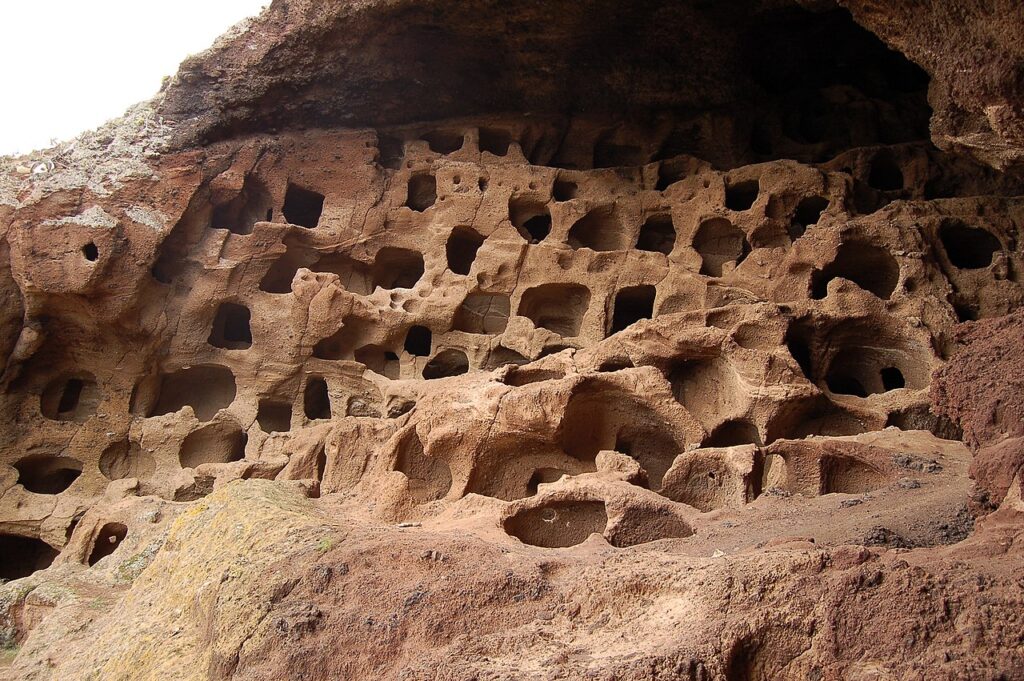
Before European navigators arrived, the islands were already inhabited. The Guanches and other indigenous peoples, with Berber roots, had created societies adapted to a rugged and fragmented territory. Their legacy lives on in place names, certain words, and the archipelago’s cultural memory.
But the arrival of the Spanish transformed the human landscape. From the 15th century onward, the Canary Islands became a meeting point for Castilians, Andalusians, Portuguese, and Galicians, who settled on different islands, leaving a lasting mark. The Portuguese introduced agricultural techniques and the cultivation of sugarcane; the Galicians contributed seafaring traditions; and the Castilians consolidated institutions and the language… although here the language took on a life of its own. Because on the islands, Spanish blended with Andalusian and Galician-Portuguese influences, creating that soft, musical accent that is instantly recognizable today.
The Canary Islands also became a springboard to the Americas from the 16th century onwards. Thousands of islanders sought a better life in Cuba, Venezuela, and Puerto Rico, leaving behind customs and surnames that still resonate today. And in an almost poetic twist, well into the 20th century, many descendants of those Canarians, Cubans and Venezuelans, returned to the islands, opening businesses, filling the neighborhoods with new accents, and forging an emotional connection that makes the archipelago a kind of extended Atlantic family.
This intersection of cultures and geographies has made the islands a unique, yet also delicate, place. Historically, they relied on agriculture and small-scale trade, but with the arrival of tourism, the economy underwent a radical transformation. Today, the islands receive millions of visitors each year, and their prosperity depends largely on it.
For centuries, agriculture sustained the archipelago. From sugar to wine, from tomatoes to bananas, the islands thrived on commercial products, maintaining their connection with Europe and the Americas. Furthermore, the connection with Africa never ceased. Fishing, trade, cooperation… The Canary Islands are so close to the African coast that this relationship is part of their identity, even when European policy has tried to look elsewhere.
But the rise of tourism changed everything. Beaches, hotels, and cheap flights transformed not only the economy but also society. European visitors, first British and German, then almost every nationality, became part of the winter landscape. Then came the digital nomads, drawn by the climate and connectivity. And, at the same time, migrants continued to arrive from Africa in search of opportunities. The Canary Islands became a crossroads, both modern and fragile.
3. Strengths and Weaknesses of a Unique Territory.
Despite the challenges, the Canary Islands remain a privileged location. Their mild climate is a constant magnet that sustains the archipelago’s main industry. This climate not only attracts tourists but also creates an extraordinary natural environment: active volcanoes, laurel forests that have survived since the Tertiary period, crystal-clear waters, and seabeds that seem otherworldly.
Added to this is a well-established tourism infrastructure, built over decades: hotels, airports, roads, and services that operate with internationally recognized professionalism. And the REF (Special Economic and Fiscal Regime) offers tax advantages that facilitate the creation of businesses and logistics centers. Therefore, it is no coincidence that more and more technology companies see the Canary Islands as a safe haven, not only geographically.
Also noteworthy is the push towards renewable energies, with wind farms, solar panels, and desalination plants that aim to reduce dependence on foreign energy sources. The islands’ strategic location, between three continents, makes them a key hub for transportation, telecommunications, and international cooperation.
But no strength is without its shadows. The Canary Islands depend on tourism in a way that many now consider excessive. When everything is running smoothly, the economy thrives; when a global crisis arises, like the pandemic, the archipelago is laid bare.
Furthermore, the island factor, which for visitors can be charming, implies high logistical costs for residents: almost everything must be imported, from food to construction materials. This impacts prices, competitiveness, and the daily lives of the population.
Unemployment, especially among young people, continues to be one of the major historical burdens. And water scarcity, aggravated by population growth, tourism, and climate change, necessitates intensive use of desalination plants, with all the energy challenges that entails.
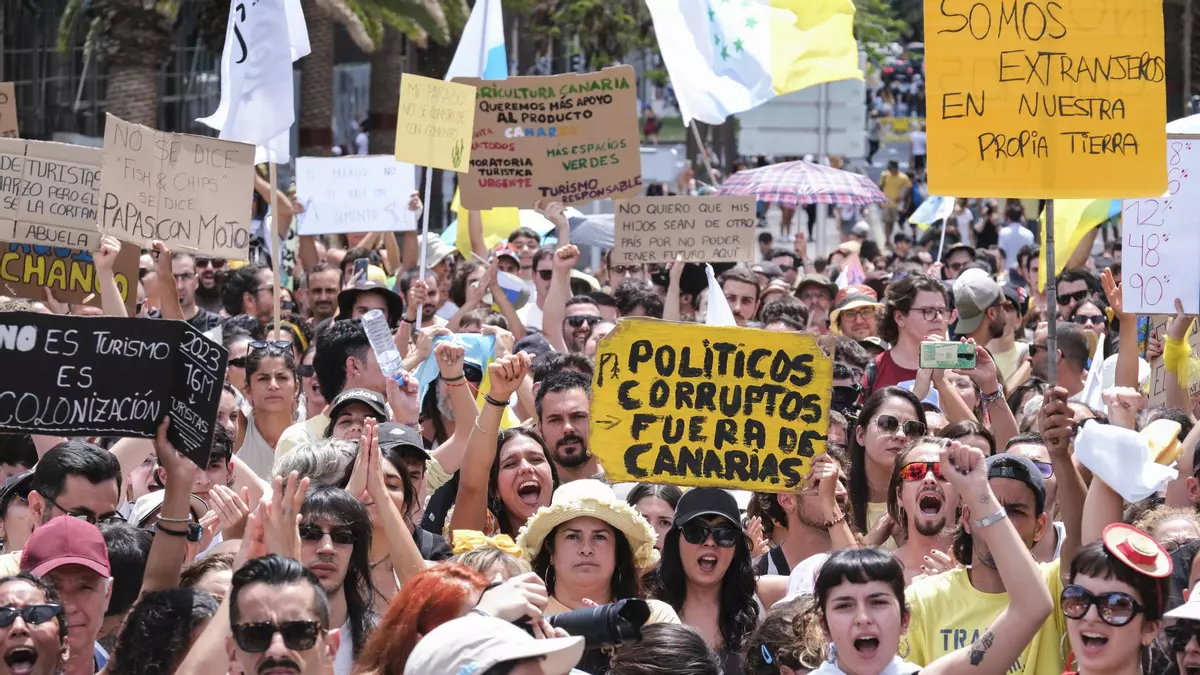
But perhaps the most palpable weakness is housing. Rental prices have risen dramatically, driven by the expansion of vacation rentals and the arrival of foreigners with greater purchasing power. This has created a tense social climate, with massive demonstrations in 2025 marking a turning point. Canary Islanders, quite literally, can no longer live in their own neighborhoods. And digital nomads, paradoxically, are also finding it difficult to find affordable options.
4. Threats and Opportunities for a New Territorial Model.
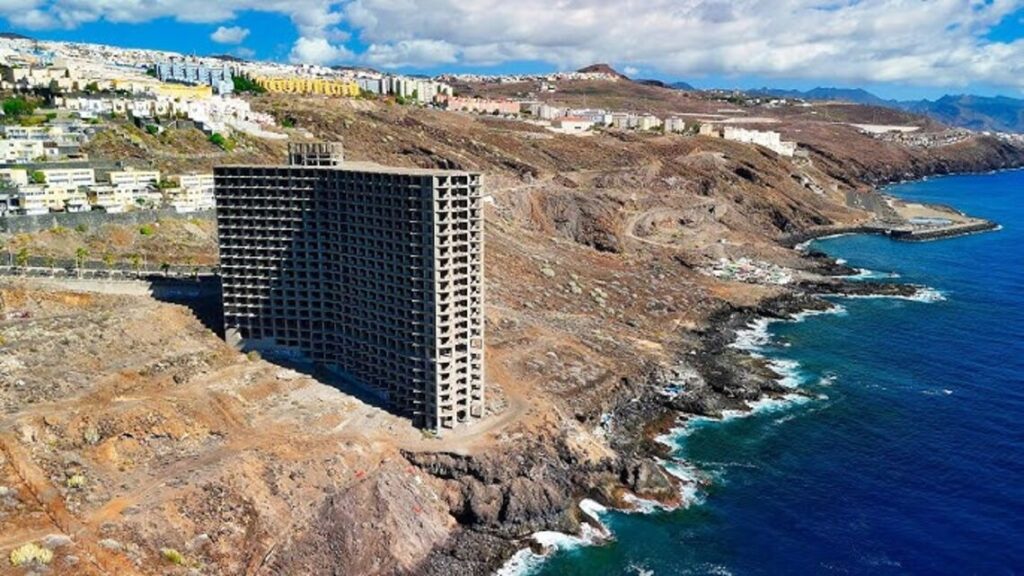
The Canary Islands face real risks that could jeopardize their future if serious planning is not undertaken. Overtourism is one of them: overcrowded beaches, eroded trails, and traffic in already congested areas. Unmanageable tourism can devour the very thing that makes it attractive.
Real estate speculation is advancing rapidly, displacing residents from their homes and transforming daily life into a soulless postcard. Climate change adds uncertainty: more intense wildfires, heat waves, coastal erosion, and pressure on marine ecosystems. External dependence on food, energy, and logistics leaves the islands vulnerable to any international crisis; and the pressure on essential resources (water, soil, coastline) forces a rethinking of urban development models that for decades ignored sustainability.
But despite the problems, the Canary Islands’ future is full of possibilities. One of the clearest is economic diversification. This doesn’t mean abandoning tourism—that would be absurd—but rather complementing it with emerging sectors: technology, the blue economy, marine research, sustainable agriculture, and the creative economy. The rise of renewable energy positions the Canary Islands as a natural laboratory for experimenting with energy self-sufficiency. Their isolation, which is sometimes an obstacle, becomes an advantage here.
There is also an opportunity to promote a different kind of tourism: more sustainable, less mass tourism, and more respectful of natural resources. Many European islands have already embarked on this path, and the Canary Islands could become pioneers if they choose to pursue it ambitiously. Housing regulation is another key point. Establishing residential zones free of tourist apartments, limiting licenses, promoting public housing, and implementing coherent urban planning policies could restore stability to neighborhoods and improve the quality of life for their residents.
5. Towards a New Planning Approach: How to Organize Islands That Cannot Grow Blindly.
There is a key element that explains why the Canary Islands attract so much business interest: the Canary Islands Special Zone (ZEC), which offers one of the lowest tax rates in Europe. Its Economic and Fiscal Regime (REF) consists of a set of exceptions recognized by the European Union that allow for lower taxes, investment incentives, and advantages for companies that establish themselves in the islands.
This makes the archipelago a magnet for tech startups, logistics companies, and businesses looking to operate from European soil… but just 100 kilometers from Africa. It’s a combination few regions can offer: EU advantages with strategic proximity to the African continent and a projection towards Latin America.
The challenge is to transform this tax advantage into something more than just attractive to external operators. The challenge lies in generating skilled employment, real innovation, and a more diversified economy that doesn’t depend solely on tourism. It also involves incentivizing the construction and renovation of buildings that, in a planned way, increase and modernize the supply of housing and offices.
Planning the territory of a fragmented, diverse, and extremely limited archipelago is not just a technical exercise: it is, quite literally, deciding what life will be like on the islands in twenty or thirty years. The Canary Islands are at a turning point. If they want to capitalize on their strategic position, their Special Economic Zone (REF), and their appeal to technology companies, they need a territorial model that clearly distinguishes what is protected, what is developed, and what is transformed.
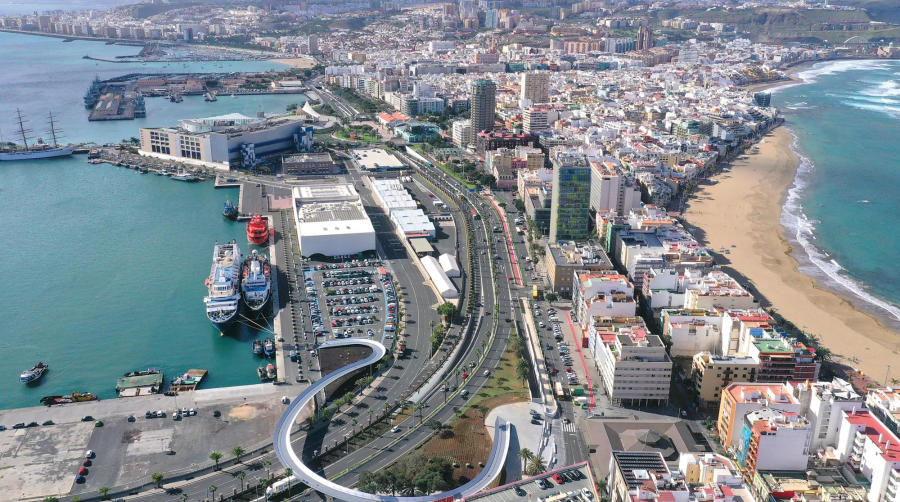
Las Palmas de Gran Canaria, historically linked to port activity and international trade, has a unique characteristic that few Atlantic cities can claim: for centuries it was a military base and strategic defense point. From the pirate raids of the 16th century to its role during the dictatorship, the city grew with a military component that shaped neighborhoods, barracks, and spaces that are now being reinterpreted.
Today, the future of the arsenal and the port is tied to logistics and technology. The city has already begun its transformation into a digital hub, with offices growing around the port area, in areas like Mesa y López, and on the isthmus. With proper planning, Las Palmas could consolidate a technology district similar to those of Atlantic cities like Lisbon or Dakar, but with the advantage of a European framework.
Santa Cruz de Tenerife, more institutional and administrative, also has enormous potential to become a center for advanced services. Its proximity to La Laguna—a university, scientific, and cultural city—suggests the possibility of a metropolitan axis where universities, technology companies, and coworking spaces form an innovation corridor that attracts talent without displacing the local population.
6. Mobility: the other key element for uniting a territory fragmented by the sea.
To discuss territorial planning in the Canary Islands without addressing mobility would be to ignore half the problem. The islands, by definition, are fragmented, and this shapes both daily life and the economy. But mobility isn’t just about connecting the islands: it’s also about how people move within each island, how neighborhoods and urban centers are linked, and how the daily lives of workers, students, tourists, and transport workers are structured.
Maritime connections—Naviera Armas, Fred. Olsen, Líneas Romero—have transformed the archipelago into a veritable internal network. Today, you can travel to and from Gran Canaria and Tenerife in a single day, or between Lanzarote and Fuerteventura, something unthinkable decades ago. Inter-island air routes, historically dominated by Binter and now by CanaryFly, have made air travel almost like an “air bus.”
These connections not only facilitate mobility but also allow the islands to function as a single economic system. Companies with distributed headquarters, professionals who work on one island and live on another, students who fly weekly… The archipelago’s true integration largely depends on this.
Furthermore, the Canary Islands’ position as a bridge between continents means that external connections are not only necessary but strategic. Air routes to the Spanish mainland are frequent: Madrid, Barcelona, Bilbao, Seville, Valencia… This connectivity guarantees tourism, trade, and family ties. And with Morocco, although historically irregular for political reasons, both maritime and air connections are being progressively reactivated. Tangier, Agadir, Casablanca, and Laayoune are natural gateways to a market of more than 30 million people less than two hours away by plane. These connections could well boost economic, energy, and academic cooperation, which is still in its infancy.
But most daily travel occurs within each island, and this is where the Canary Islands face their most complex challenge: congested roads and a public transport system that, while adequate, doesn’t meet the needs of a territory that has grown much faster than its infrastructure.
Gran Canaria, the Southern Train Project: The much-debated Gran Canaria train, which would connect Las Palmas with Maspalomas and the airport, is probably the archipelago’s major outstanding infrastructure project. But in Gran Canaria itself, investing in a tram system, expanding bike lanes, or burying the GC-1 highway to make the east coast more pedestrian-friendly would be a true backbone for the island.
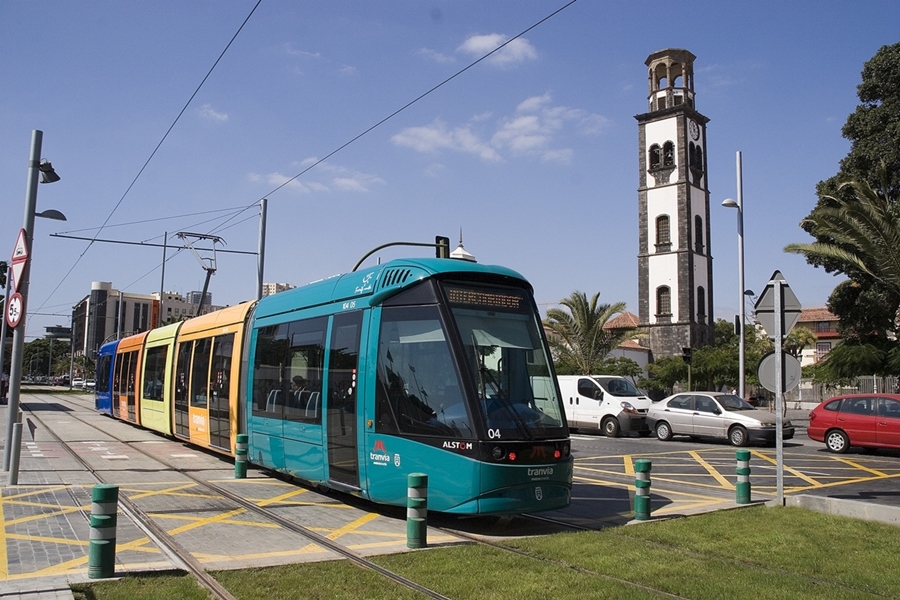
Tenerife, a Hybrid Model with Trams, Buses, and a Future Train: Tenerife already has a modern tram system connecting Santa Cruz, La Laguna, and its university. This is proof that guided mobility works in the Canary Islands. Furthermore, projects are being studied to extend the tram network to new metropolitan areas, reorganize bus lines to better connect them with transport hubs, and advance the Southern and Northern rail lines—initiatives that always resurface in public debate due to their environmental impact, but which also respond to a clear need: the TF-1 and TF-5 highways are two decades outdated.
Territorial planning and mobility are one and the same in the Canary Islands; without efficient public transport, no strategy for technology hubs, compact cities, or land-use distribution will be viable.
If the Canary Islands want to attract investment, integrate its capital cities, improve connections with Africa and the Spanish mainland, and maintain a high quality of life for its population, it needs a mobility system that decongests, integrates, and unites. A mobility system that understands that the islands, although small, have a vocation as a global bridge.
7. Deepening self-government: a future that demands courageous decisions.
The Canary Islands are not just any territory. They are a fragmented archipelago, far removed from the European continent, with very different realities between the islands. Living in an island capital is not the same as living on a non-capital island, nor are the challenges of a mass tourism island the same as those of one with an aging population or at risk of depopulation. In this context, having decisions made from the islands themselves allows for a greater understanding of the territory and its real problems.
Their autonomy has enabled the Canary Islands to adapt public policies to their circumstances: from land-use planning and landscape protection to healthcare, education, and inter-island transport. It has also allowed them to better defend their unique economic characteristics, such as the Economic and Fiscal Regime (REF) and their status as an Outermost Region within the European Union—recognitions that would not exist without their own political voice.
Of course, self-government is not a magic bullet. Having powers is not enough if they are not managed well. But that doesn’t invalidate the model; On the contrary, it reinforces the idea that deepening a useful, well-managed self-government, designed for the common good, can be one of the keys to facing the archipelago’s present and future challenges.
In this sense, having its own tax system, similar to a Canary Islands Economic Agreement, could be the instrument that allows the Canary Islands to take a strategic leap. Collecting and managing all its taxes would allow for the design of a tax system aimed at attracting international investment, talent, innovation, and technology companies, not just tourism. The Canary Islands could position itself as an Atlantic hub between Europe, Africa, and the Americas, something it already is geographically, but which it has not yet fully exploited fiscally.
The Canary Islands remain a fortunate territory, yes, but that good fortune can no longer be taken for granted. The archipelago is at a historic turning point: either it commits to a balance between development and sustainability, or it risks losing what makes it unique.
The challenge lies in designing a model where tourism coexists with the quality of life of residents; Where renewable energy reduces vulnerability; where housing is a right, not a luxury; where biodiversity is an asset to protect, not a resource to exploit.
The Canary Islands don’t need to be perfect; they simply need their future to be built with the same patience with which the ocean shaped their shores. The potential is there: diverse, volcanic, vibrant. And it deserves to be nurtured.