Cultural Wonders:
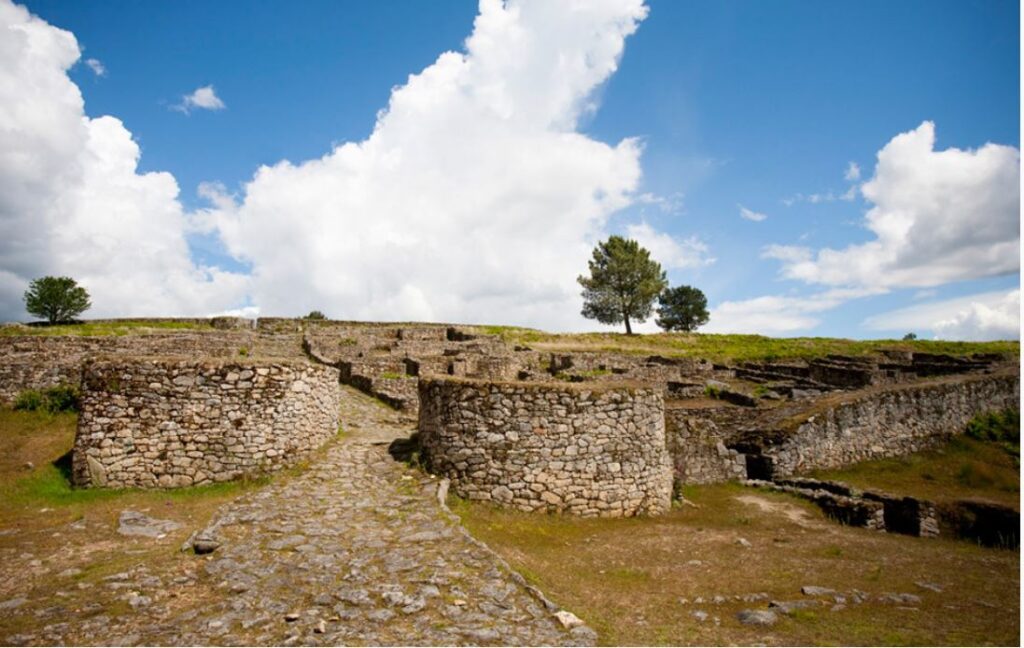
1. Castro de San Cibrao de Las.
Protection: Asset of Cultural Interest (BIC).
Before Rome, Galicia was organized into fortified settlements called castros (hillforts). San Cibrao de Las, known as A Cidade, is the most monumental and extensive of the preserved hillforts. Its walls and urban layout explain the pre-Roman origins of Galician identity.
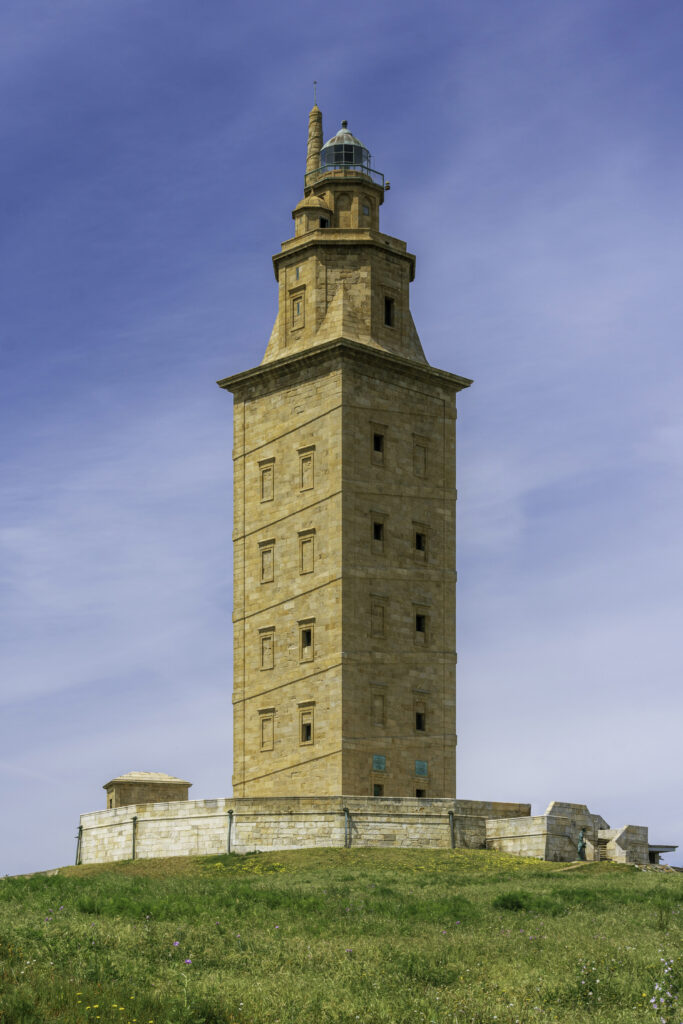
2. Tower of Hercules.
Protection: World Heritage Site – UNESCO.
Built in the 1st century AD, it is the only Roman lighthouse in the world still in operation. It represents Galicia’s integration into the maritime routes of the Roman Empire and its historical relationship with the Atlantic.
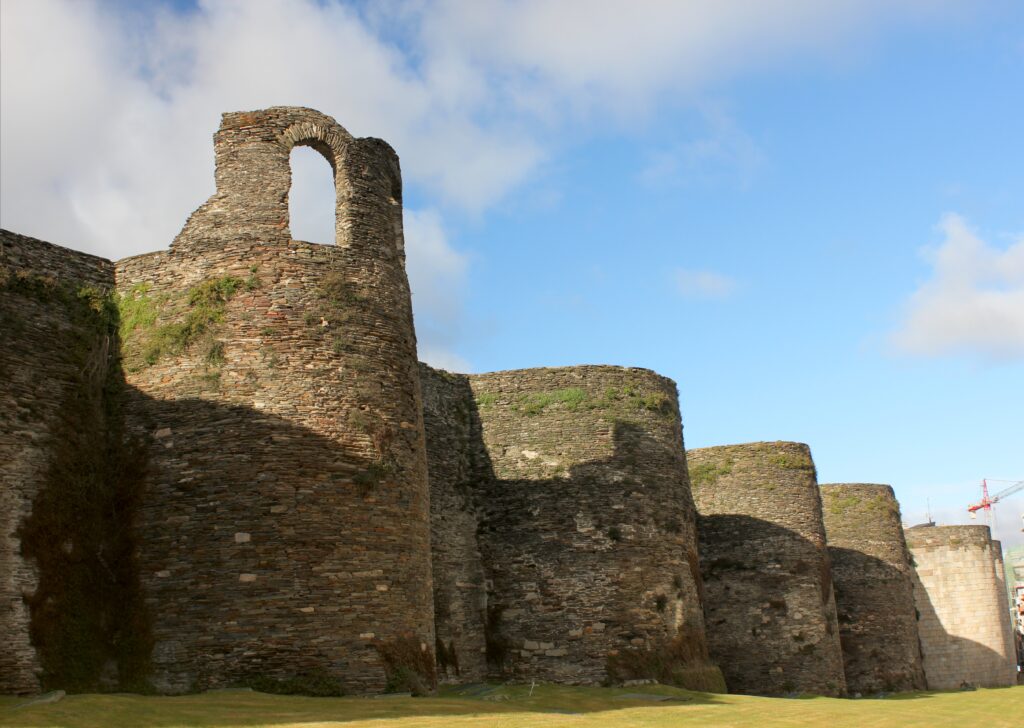
3. Roman Walls of Lugo.
Protection: UNESCO World Heritage Site.
Built in the 3rd century, it is the best-preserved Roman wall in the world. It completely encircles the historic city of Lugo and demonstrates its strategic importance in Roman Gallaecia.
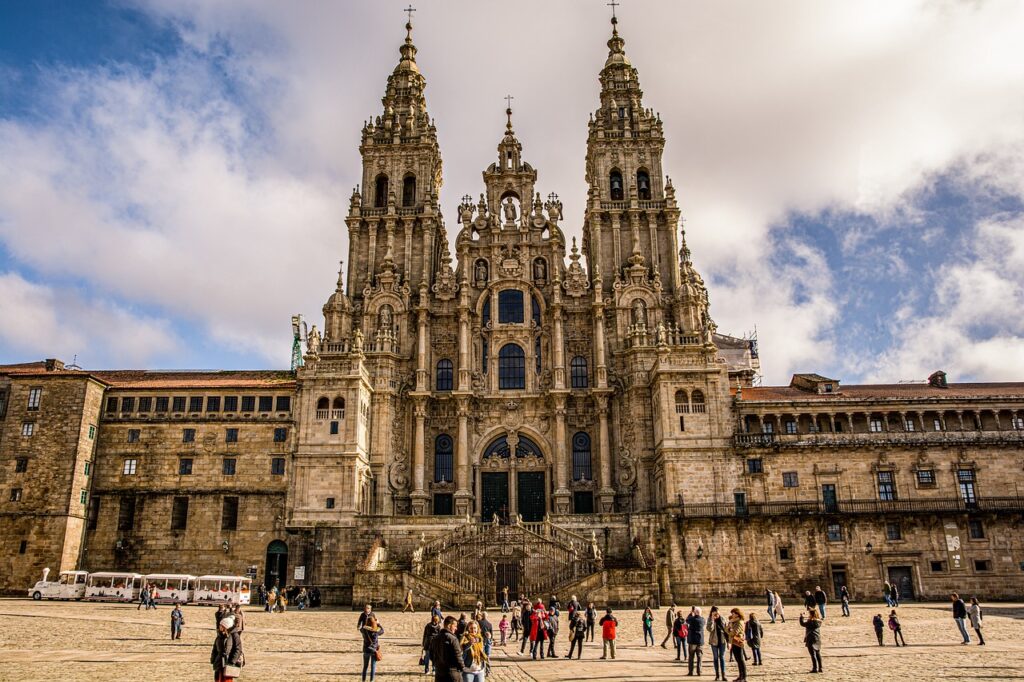
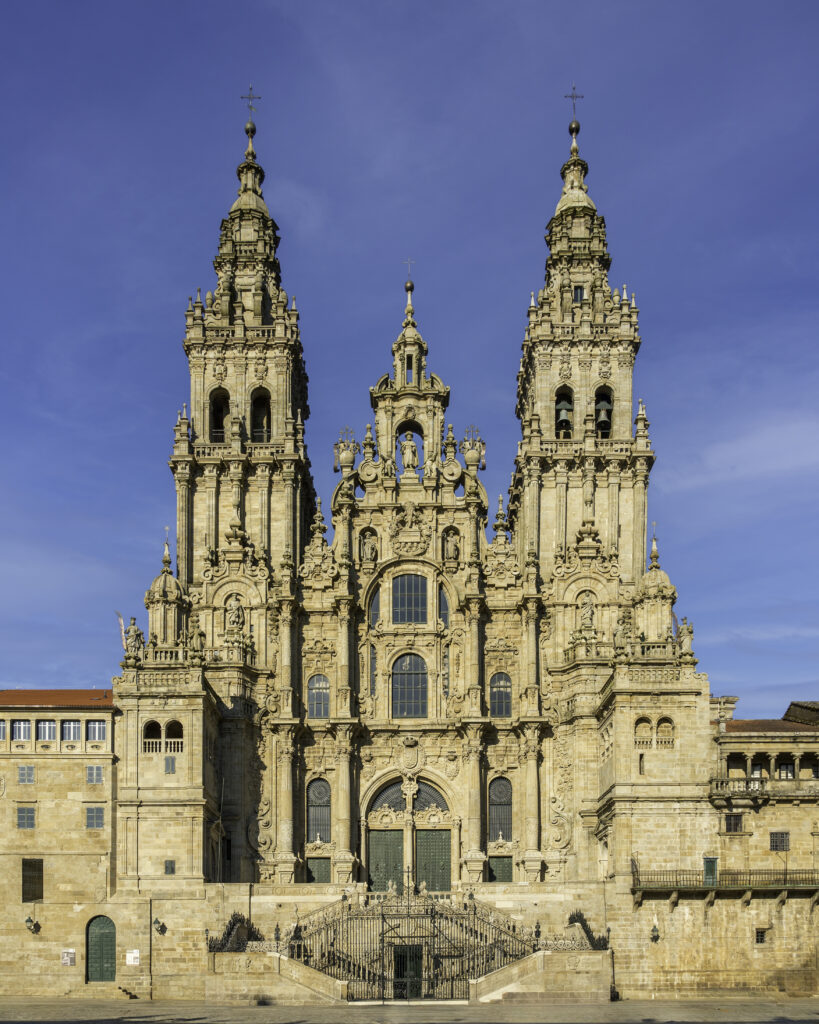
4. Santiago de Compostela Cathedral
Protection: UNESCO World Heritage Site.
Since the 9th century, Santiago has been one of the great spiritual centers of Europe. The cathedral, the destination of the Camino de Santiago, has become the main cultural, religious, and historical symbol of Galicia.
5. Oseira Monastery.
Protection: Cultural Heritage Site (BIC).
Founded in the 12th century, it is the great jewel of the Cistercian Order in Galicia, and is known as “the Galician Escorial”. From places like Oseira, monasteries organized the economic, agricultural, and spiritual life of inland medieval Galicia.

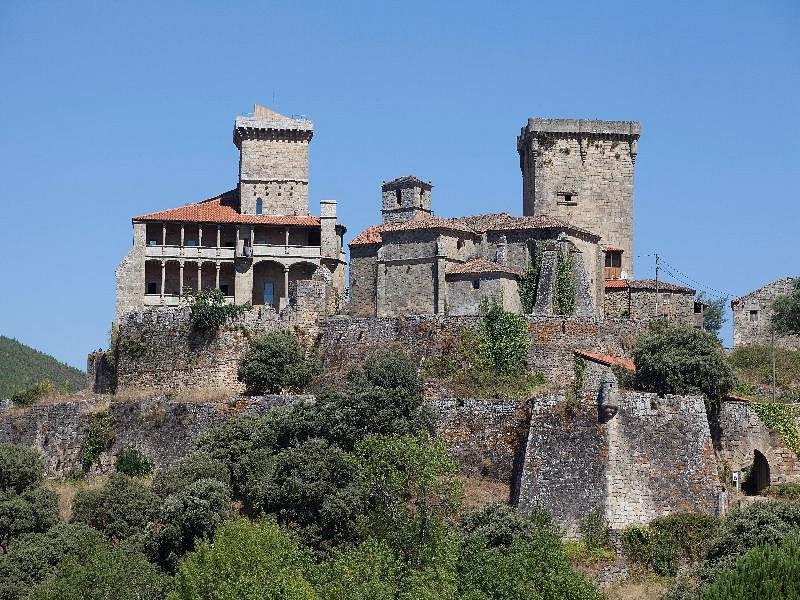
6. Monterrei Castle.
Protection: Cultural Heritage Site (BIC).
The largest fortress in Galicia. More than a castle, it is a fortified acropolis that controlled the border with Portugal and communications with Castile. It represents Galician political and military power in the Middle Ages and the Modern Era.
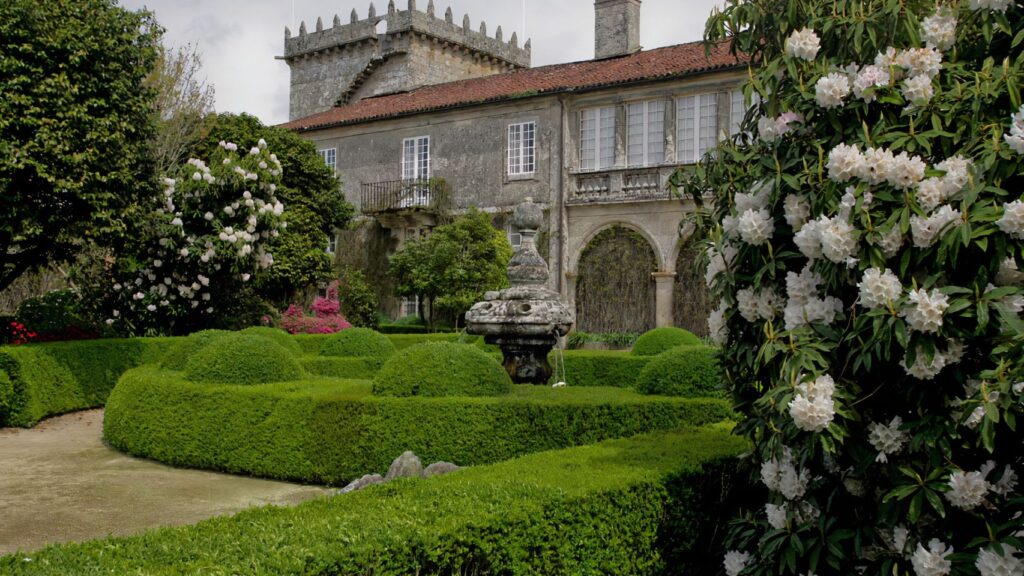
7. Pazo de Oca.
Protection: Cultural Heritage Site (BIC).
Known as “the Galician Versailles”, it is the quintessential Galician manor house. A stately residence with historic gardens and an integrated landscape, it encapsulates the evolution of Galician noble power in the Modern Age and its balanced relationship with the land.
Natural Wonders:
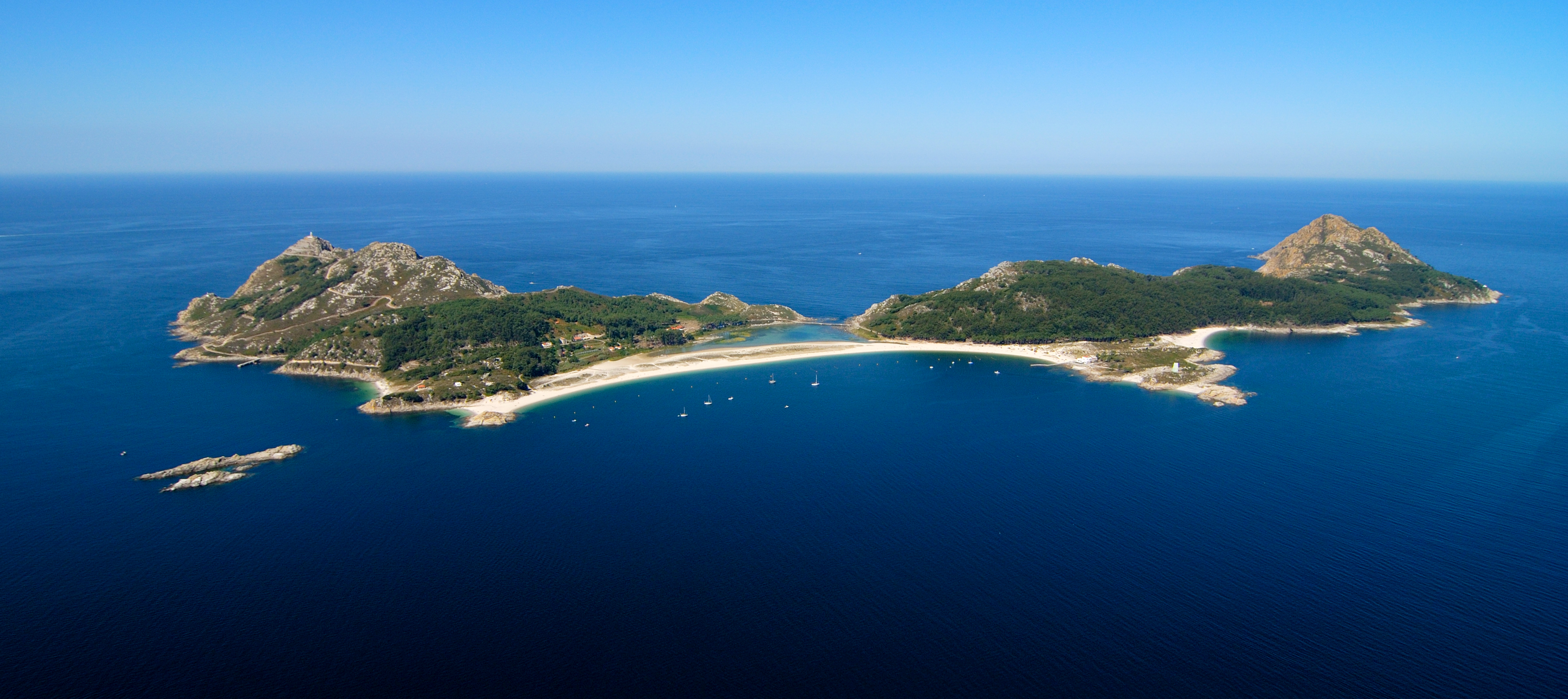
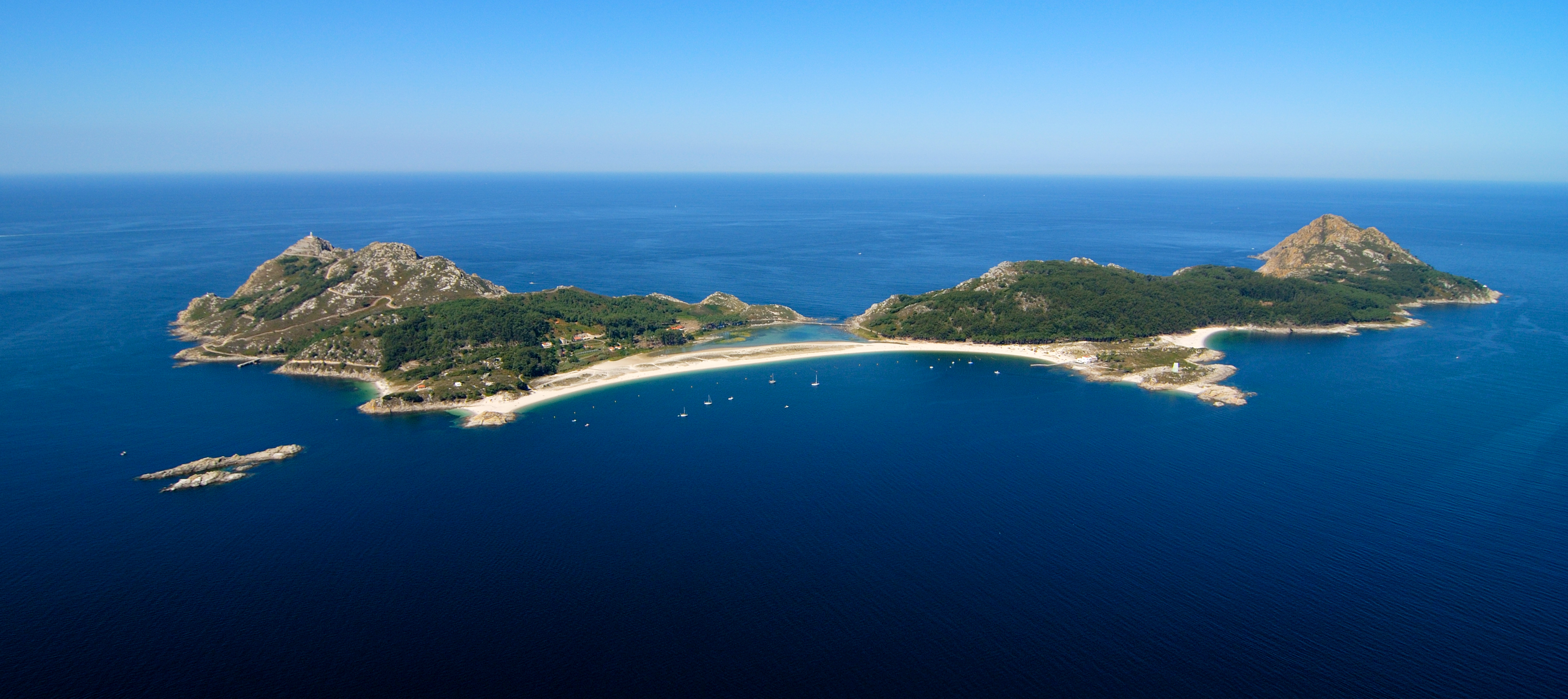
1. Cíes Islands.
Protection: Maritime-Terrestrial National Park of the Atlantic Islands.
One of Western Europe’s most valuable marine ecosystems. Beaches, cliffs, seabeds, and birds make the Cíes Islands the finest representation of the Galician Atlantic coast. Rodas Beach, located in the Cíes Islands, was considered “the most beautiful beach in the world” by The Guardian newspaper in 2007.
2. Sil Canyon.
Protection: Special Area of Conservation – Natura 2000 Network.
A river canyon of monumental scale, carved out over millions of years. It is the scenic heart of the Ribeira Sacra, a candidate for World Heritage status.
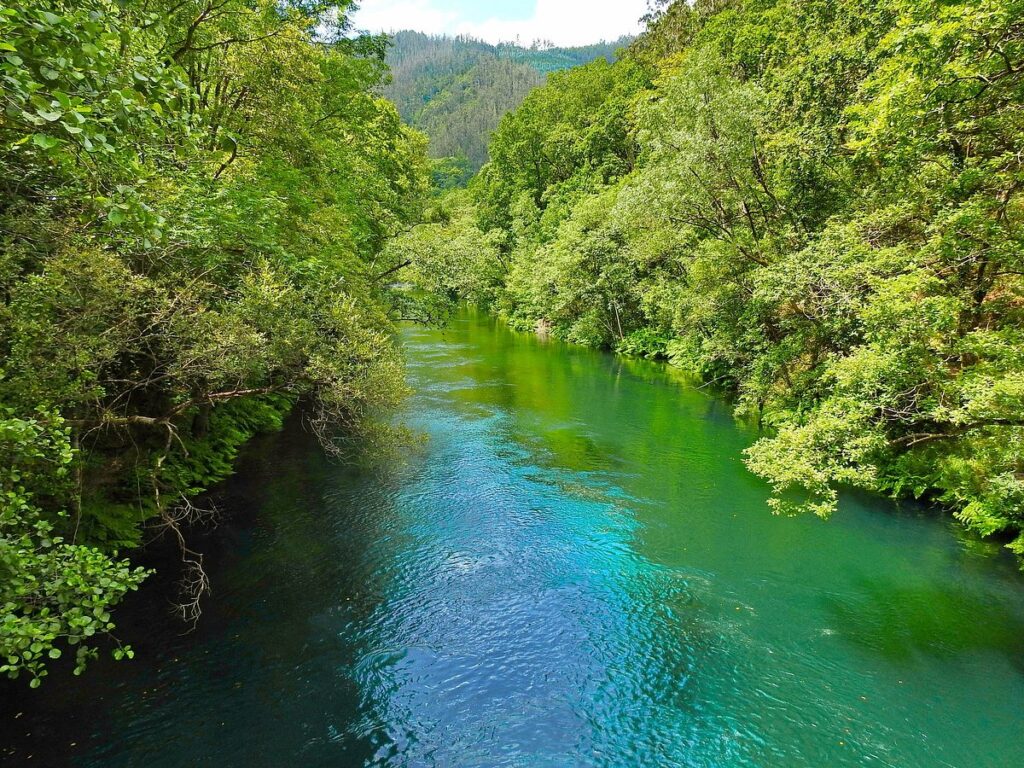
3. Fragas do Eume.
Protection: Natural Park.
One of the best-preserved examples of Atlantic forest in Europe. It represents the original, green, humid, and forested inland Galicia.
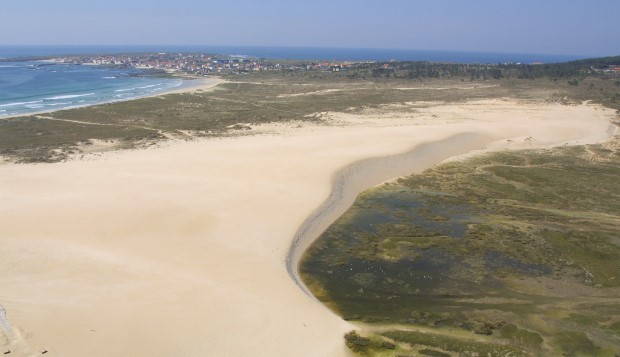
4. Corrubedo Dunes.
Protection: Natural Park.
This is the most important and best-preserved dune system in Galicia and one of the most significant in the northwest of the Iberian Peninsula. Its most emblematic feature is the mobile dune, which can reach over 20 meters in height and slowly shift, driven by Atlantic winds.
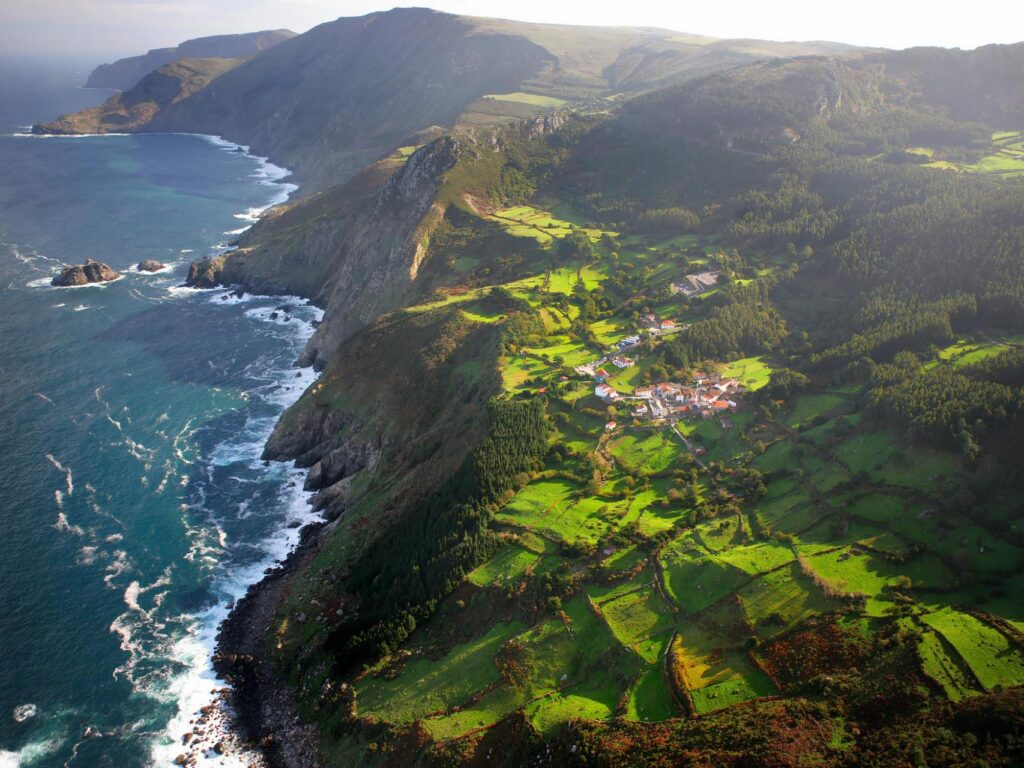
5. Cliffs of Herbeira.
Protection: Special Area of Conservation – Natura 2000 Network.
They form one of the most breathtaking coastal landscapes in Galicia. Located in the Serra da Capelada mountain range, they reach a vertical drop of up to 620 meters to the ocean, making them the highest cliffs on the Iberian Peninsula and among the highest in Western Europe.
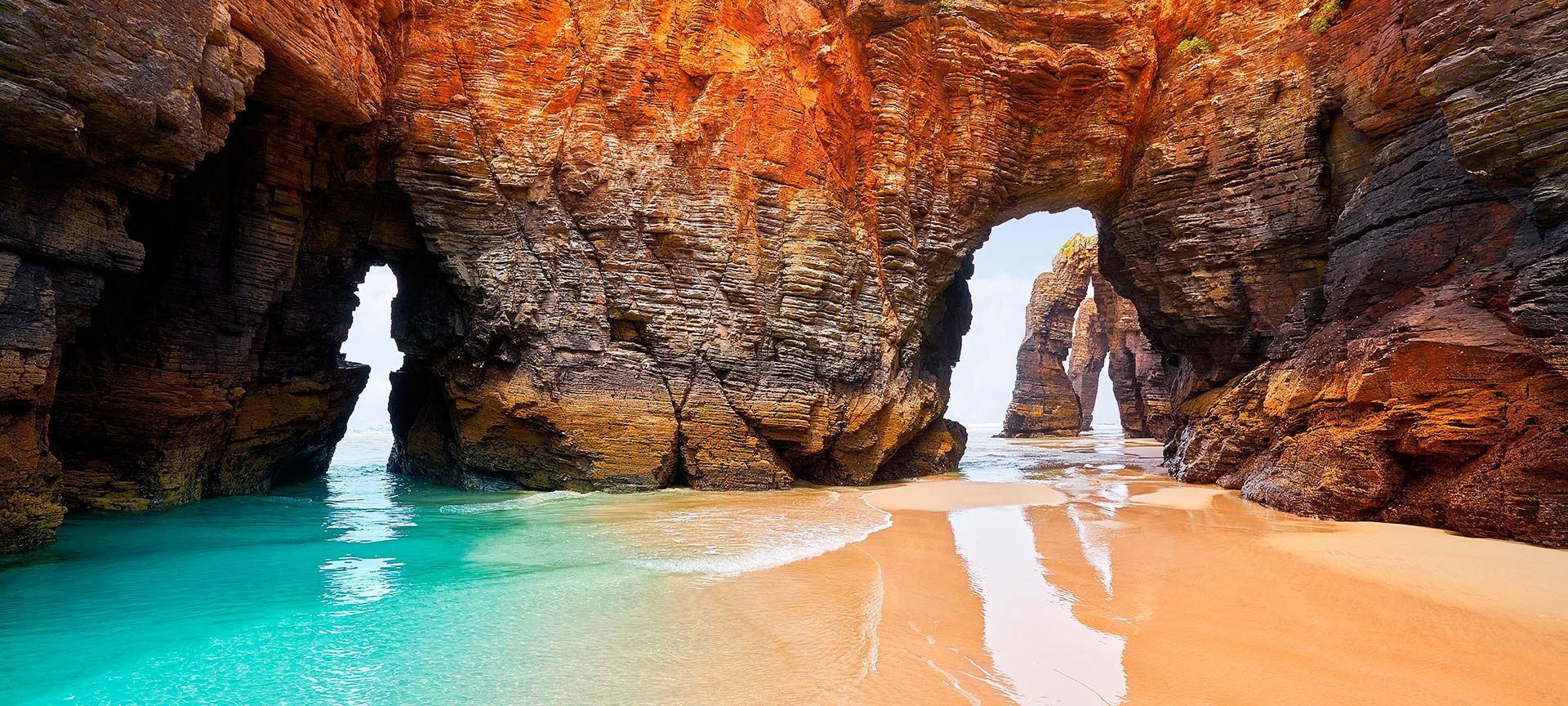
6. As Catedrais beach.
Protection: Natural Monument.
Located on the coast of Ribadeo, it is one of the most spectacular natural monuments on the European coast. Its uniqueness lies in a series of arches, vaults, buttresses, and rock passageways sculpted over thousands of years by the constant action of the Cantabrian Sea on the slate and quartzite cliffs.
7. Fervenza do Toxa.
Protection: Special Area of Conservation – Natura 2000 Network.
With a height of 70 meters, is the highest waterfall in Galicia. The force of the falling water encapsulates the riverine and mountainous character of inland Galicia.

The geography of Galicia can be explained through two main axes: the historical development of an ancient culture and the power of its diverse, Atlantic nature. These wonders are not a tourist ranking, but rather a representative synthesis of the region, based on their historical value and unique landscapes.